July 14, 2026
We will delve into various aspects such as customer experience, product range, pricing, and more to provide a comprehensive understanding of what sets these two shopping venues apart. Each sector presents its unique benefits and challenges, influencing consumer choices and business strategies. From the intimate setting of a local jeweler to the vast digital aisles of online stores, these factors redefine both traditional and modern shopping experiences.
Customer Experience
Personalization
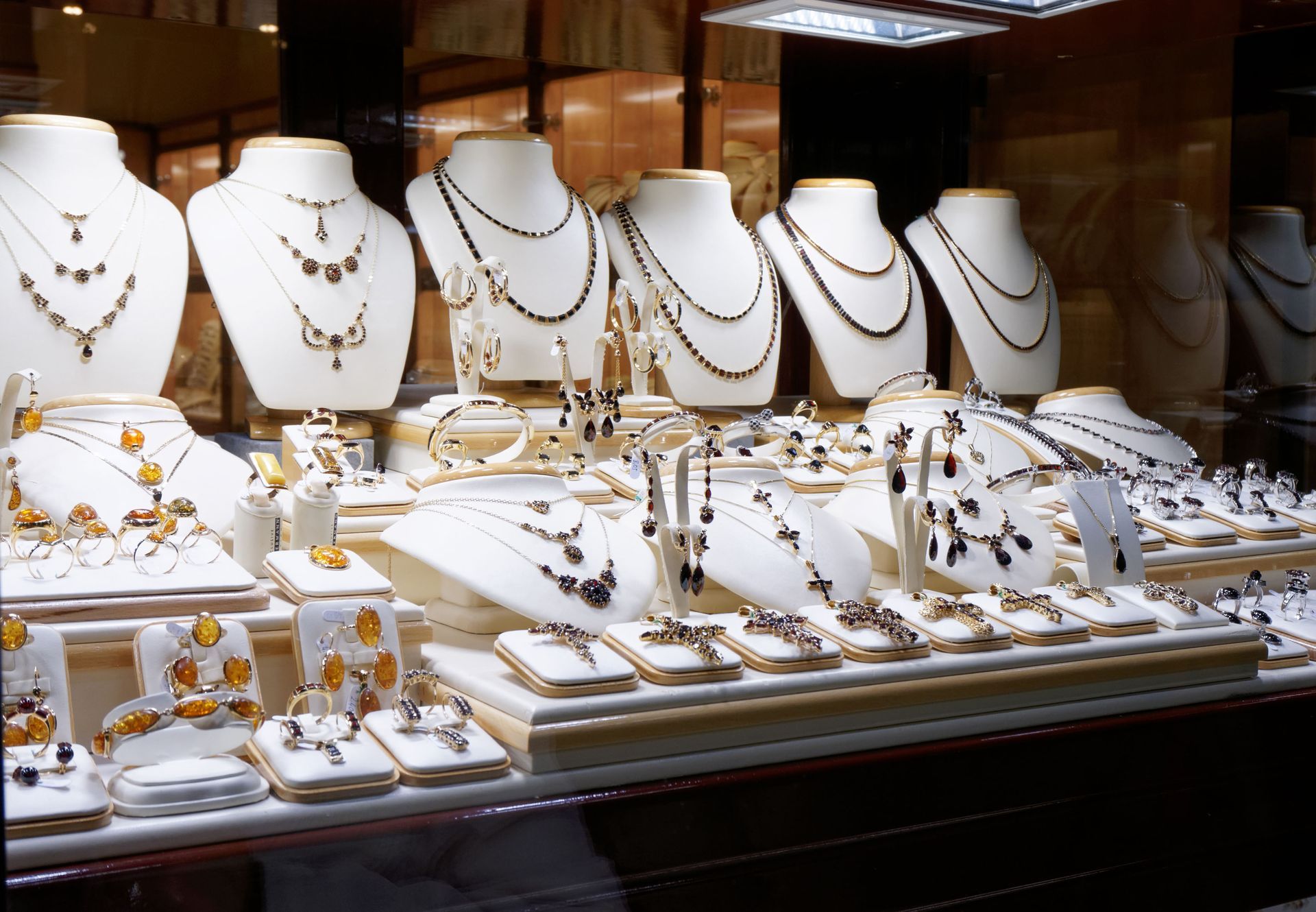
Traditional jewelry shops excel in offering personalized services that online retailers often find challenging to replicate. In a physical store, sales associates can provide tailored advice based on the customer's preferences, budget, and style. These interactions build trust and loyalty, essential elements in high-value purchases like jewelry. In contrast, online platforms rely on algorithms and data analytics to suggest products, lacking the human touch. Although scalable, online personalization may not capture the nuances of individual taste as effectively as in-person consultations.
Moreover, according to US Gold and Coin, jewelry market dynamics shift significantly, as seen during the historic peak of gold prices at $5,000 per ounce in 2026. Such market shifts emphasize the importance of having a trusted jeweler who can offer insights and advice tailored to individual circumstances. The hands-on nature of independent jewelers helps clients navigate rapidly changing market valuations and trends. On the flip side, online retailers continue to refine their digital consumer insights to offer as much personalization as possible through innovative technological solutions.
Accessibility and Convenience
Online retailers provide unmatched accessibility, allowing consumers to shop at any hour from anywhere in the world. The convenience factor appeals strongly to consumers with busy lifestyles or those situated in remote locations. Through mobile apps and responsive websites, accessing a vast array of jewelry is just a few clicks away. Physical stores, while limited by geography and operating hours, offer the advantage of tangible interactions. Visiting a local jewelry shop requires time investment, but it provides consumers with the opportunity to see and feel the product before making a decision.
Digital platforms offer the ease of browsing thousands of pieces, comparing prices, and reading reviews within a matter of minutes. This ease of access is a major draw for digital natives and those accustomed to the convenience of e-commerce. However, this ease can also lead to overwhelming choices, potentially complicating decision-making for the customer. On the other hand, visiting an independent jewelry shop could mean personalized recommendations by experienced jewelers who understand the nuances of different stones and metals. Although less immediate, this can enrich the shopping experience with expert guidance and personal interaction.
Customer Engagement
Customer engagement varies significantly between independent jewelry shops and online retailers, influenced largely by the medium of interaction. In-store experiences thrive on face-to-face interactions, allowing customers to engage with knowledgeable staff who can relay stories and histories behind specific pieces. This personal touch fosters a deeper connection and often enhances buyer satisfaction. On the contrary, online retailers must rely on digital tools and content to generate similar engagement levels. Strategies like detailed product descriptions, engaging visuals, and customer testimonials are deployed to build rapport and confidence in the product.
Product Range and Availability
Inventory Size
The inventory size represents a notable difference between online retailers and independent jewelry shops. Online stores typically boast a vast inventory, providing customers with a wide selection of designs, styles, and price ranges. This extensive range comes from partnerships with various suppliers and manufacturers worldwide, allowing online retailers to offer millions of different jewelry pieces. Conversely, independent shops tend to carry a curated selection that reflects the owner's taste and expertise. This curated approach often emphasizes quality over quantity, offering pieces that align with the shop's unique branding and target audience.
The vast inventory available online can feel overwhelming to some consumers, who might struggle to navigate choice overload when browsing extensive catalogs. To assist, online platforms often implement sophisticated filtering options to help consumers narrow down their options based on preferred criteria like price, material, or style. Despite these tools, the personalized guidance of a seasoned jeweler can simplify the decision for consumers who prefer a tailored experience. Independent jewelry shops provide an intimate environment where customer preferences guide the selection process, ensuring a more focused and personal shopping experience.
Unique vs Mass-Produced Items
A key distinction between independent jewelry shops and online retailers is in their emphasis on unique versus mass-produced items. Local jewelers often curate their inventory to include one-of-a-kind pieces, handcrafted items, or custom designs that reflect individual artistry and craftsmanship. This focus on unique pieces draws customers seeking standout or bespoke items that aren't available in mainstream markets. In contrast, online retailers can thrive by offering numerous options in various styles, often prioritizing quantity and popular designs over uniqueness. Mass production facilitates these wide offerings, creating homogeneous items that appeal to the broader market but may lack individuality.
Sourcing and Origin
The transparency of sourcing and origin is a critical consideration for both independent jewelry shops and online retailers. Local jewelers often have closer relationships with suppliers, providing assurance about the provenance of their materials and committing to ethically sourced options. By offering greater transparency, they can build credibility and trust, appealing to customers interested in sustainable and ethical purchasing decisions. The localized nature of these stores allows jewelers to showcase the story behind each piece, further enhancing the emotional connectivity and appeal.
Online retailers, conversely, face challenges in providing definitive sourcing information due to the complexity and breadth of their supply chains. The international reach of many online platforms means sourcing from a variety of vendors around the world, which can complicate transparency efforts. However, increasing consumer demand for ethical practices has compelled e-commerce giants to improve traceability and share more information about product origins. Initiatives like conscious collections or certifications signify efforts to embrace responsible sourcing, accommodating ethical consumers.
Pricing Strategies
Cost Structures
Differences in cost structures between online retailers and independent jewelry shops significantly influence their pricing strategies. Physical outlets face substantial expenses related to maintaining storefronts, including rent, utilities, and display management, alongside staffing costs. These overheads often translate into higher pricing for consumers, since independent jewelers must account for these expenses to sustain profitability. Nonetheless, these costs support the personalized experience and service quality that local shops offer, serving as a key value proposition.
Conversely, online retailers benefit from operating with reduced structural expenses, often eliminating costs associated with physical space. The e-commerce model hinges on leveraging scalable technologies and digital infrastructure, allowing online retailers to streamline operational expenses. This efficiency enables them to offer competitive pricing, regularly passing on savings to customers through discounting and promotional activities. As a result, online platforms can appeal to price-sensitive consumers seeking wide selection and affordability.
Discounts and Sales
The frequency and nature of discounts and sales significantly impact consumer perceptions in both online and independent jewelry markets. Online platforms frequently leverage promotions and flash sales to incentivize purchases, often employing advanced algorithms that dynamically price and discount products based on market demand and consumer behavior. This strategy caters to a wide audience, enabling bulk sales and clearance of inventory in time-sensitive campaigns. By contrast, local jewelers with narrower profit margins and curated selections may employ a more conservative approach to markdowns.
When deciding between the vast digital marketplace and a local storefront, choosing an independent jewelry shop offers an unmatched level of personalization, trust, and structural integrity for your high-value investments. While major online retailers leverage massive inventories and algorithmic pricing, they simply cannot replicate the human touch, ethical material transparency, and bespoke craftsmanship found at a dedicated jewelry shop. Ultimately, supporting an independent business guarantees a tailored, memorable experience where the story behind your piece is celebrated just as much as its beauty. Visit ATL Gold Buyers! We invite you to experience the unmatched service and expertise of our local jewelry shop today.