November 8, 2026
Many people assume that costume jewelry consists strictly of inexpensive glass, base metals, and synthetic beads manufactured for fleeting fashion trends. For decades, costume pieces filled vanity drawers across the country, worn to parties and social gatherings before being tucked away and forgotten. Today, as families sort through inherited estates and antique boxes, these colorful brooches, layered necklaces, and clip-on earrings are frequently dismissed as decorative trinkets with zero market value, causing individuals to overlook items possessing substantial financial worth.
The reality of the secondary market tells a far different story. While mass-produced modern fashion accessories rarely retain value, authentic vintage pieces often command impressive sums. Changing economic conditions, heightened collector interest, and historical manufacturing techniques have turned forgotten costume items into desirable assets. When individuals decide to sell jewelry from an inherited estate or private collection, they are frequently stunned to learn that what looked like imitation jewelry carries genuine resale or bullion value. Understanding what makes vintage items special can help you unlock surprising cash payouts.
1. Undetected Sterling Silver and Gold Vermeil Foundations
One of the most frequent surprises in vintage jewelry boxes is the presence of precious metals masquerading as costume pieces. During World War II, the United States government placed strict wartime restrictions on base metals like copper, brass, and tin, as these materials were reserved for military equipment. Because fashion houses and jewelry manufacturers could no longer use standard base metals, they turned to sterling silver as their primary foundational metal. Designers then applied heavy coatings of yellow gold over silver, creating gold vermeil.
Many owners mistake these wartime pieces for inexpensive brass because of surface patina, tarnish, or worn gilding. Underneath that antique finish, however, lies solid precious metal. High-grade vermeil brooches and bracelets produced by mid-century makers often carry substantial weight. Even if the stones are paste or glass, the underlying sterling silver and gold plating hold intrinsic value based on precious metal markets. When you prepare to sell jewelry discovered in older family collections, professional testing can reveal precious metal content that simple visual inspections overlook.
2. Rare Designer Signatures and Renowned Maker Marks
In the vintage costume market, a tiny stamp on a clasp, pin stem, or cartouche can instantly transform an ordinary item into an asset worth hundreds or thousands of dollars. Mid-twentieth-century design houses employed legendary artists who treated costume jewelry as wearable fine art. Celebrated makers such as Miriam Haskell, Marcel Boucher, Trifari, Schreiner, Hattie Carnegie, and Elsa Schiaparelli produced limited production runs that collectors actively pursue today.
Signed pieces command immense premiums over unsigned items. For instance, vintage Trifari pieces designed by Alfred Philippe, who previously created fine jewelry for Cartier and Van Cleef and Arpels, feature intricate construction and patented clip mechanisms. Similarly, Schreiner brooches, known for inverted rhinestones and hand-assembled wirework, trade among dedicated enthusiasts for substantial sums. When knowledgeable evaluators assess vintage items, they identify maker marks and production stamps. Taking the initiative to sell jewelry with verified signatures ensures you capture true collector value.
3. High Collectibility of Art Deco and Mid-Century Eras
Era and aesthetic style play a massive role in determining whether vintage costume pieces hold substantial cash value. Distinct historical periods boast passionate followings among fashion historians and estate collectors. In particular, authentic Art Deco pieces from the 1920s and 1930s, along with dramatic Retro designs from the 1940s, remain in perpetual demand across the estate jewelry market.
Art Deco costume items exhibit geometric symmetry, architectural shapes, and vibrant color contrasts that capture the glamour of the Jazz Age. These pieces were crafted with meticulous attention to detail, often mimicking fine platinum and diamond creations of the same era. Because these original ornaments were worn extensively over the past century, well-preserved examples have become exceedingly scarce. When owners decide to sell jewelry dating from these coveted design movements, the combination of historical importance and enduring style drives competitive market offers.
4. Superior Craftsmanship and Hand-Cut Art Glass Elements
Modern fashion jewelry relies heavily on automated assembly lines, plastic beads, and glued acrylic stones that deteriorate rapidly. By contrast, vintage costume jewelry produced prior to the 1970s was largely handcrafted by skilled artisans. European glassmakers in Bohemia, Austria, and Germany produced custom stones using proprietary formulas, resulting in glass elements that rival natural gemstones in brilliance, weight, and light refraction.
Vintage pieces frequently feature hand-cut crystal, vibrant Czech glass, multi-layered art glass, and hand-poured glass elements known as pate de verre. Furthermore, rather than using cheap glue, vintage jewelers anchored stones with individual metal prongs, closed backings, and intricate pave settings. Early costume ornaments also incorporated rare materials like carved authentic Bakelite or Bohemian garnet glass. When you sell jewelry constructed with superior vintage glass and hand-set prongs, you capitalize on artisanal manufacturing traditions that modern factories cannot match.
5. Overlooked Precious Metal Clasps and Scrap Gold Findings
A surprising number of vintage costume pieces contain genuine precious metal components mixed alongside faux elements. In past eras, consumers frequently repaired favorite costume items by replacing broken base metal closures with solid gold or silver clasps. Moreover, some luxury costume designers intentionally utilized karat gold safety chains, pin backs, or jump rings on high-end pieces to prevent accidental loss or skin irritation.
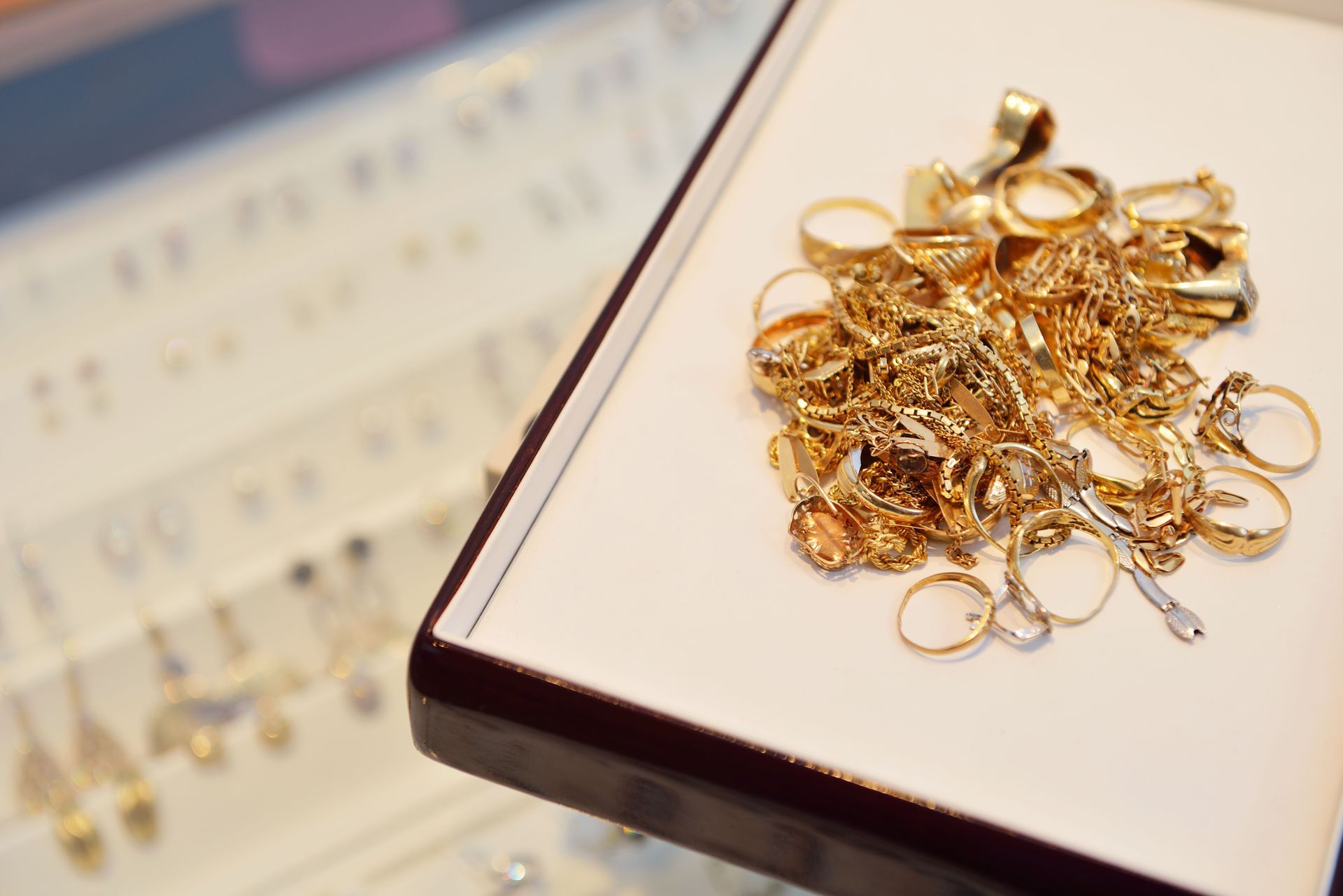
Beyond intentional additions, many forgotten jewelry boxes contain a mixture of costume pieces, broken chains, and discarded scrap gold that owners misclassify. According to David Stern, gold buyers across North America find that 14-karat items represent the vast majority of scrap jewelry purchased and melted down. That means seemingly worn chains, single earrings, and odd links tucked away with costume brooches frequently turn out to be genuine karat gold. When people gather older items to sell jewelry, experienced precious metal buyers routinely uncover valuable gold and silver components.
6. Surging Resale Demand in Estate Jewelry Markets
The contemporary luxury and fashion landscape has embraced vintage costume pieces with remarkable enthusiasm. Modern consumers are increasingly drawn to sustainable fashion, historical character, and individual expression, rejecting disposable fast-fashion accessories. This cultural shift has created a vibrant resale market where curated estate jewelry and authentic vintage costume ornaments achieve premium prices.
Stylists and collectors constantly search for distinctive statement necklaces, cuff bracelets, and dramatic brooches to complement modern wardrobes. Because the surviving supply of intact vintage pieces is naturally limited and constantly shrinking, high-grade costume collections have established a solid secondary market footing alongside traditional precious metals. When you decide to sell jewelry from an estate or personal collection, you enter a competitive marketplace eager for authentic vintage pieces with character, elegance, and provenance.
Navigating an inherited collection of vintage jewelry can feel overwhelming when you cannot easily distinguish costume trinkets from valuable precious metals. What appears to be an ordinary imitation brooch may feature solid sterling silver under heavy gold vermeil, rare European art glass, or a coveted designer hallmark. Other items in your collection may contain valuable karat gold findings or scrap precious metals that possess considerable intrinsic cash value. Rather than allowing these vintage treasures to gather dust in a drawer, having your collection evaluated by an experienced professional is the best way to uncover their true financial worth. When you are ready to
sell jewelry or discover the cash value hidden in your estate collection, visit ATL Gold Buyers for a professional appraisal and immediate payout.