November 13, 2026
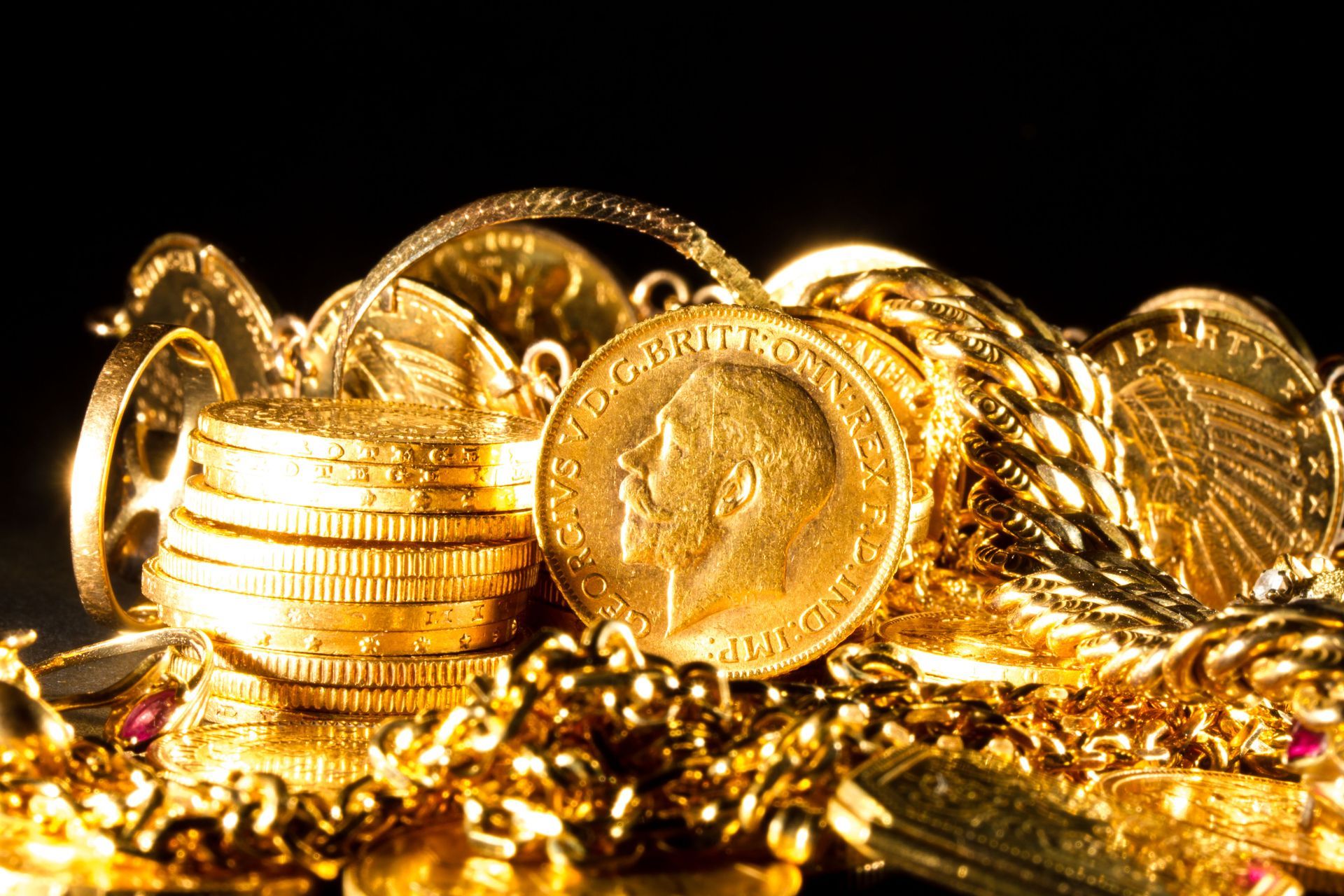
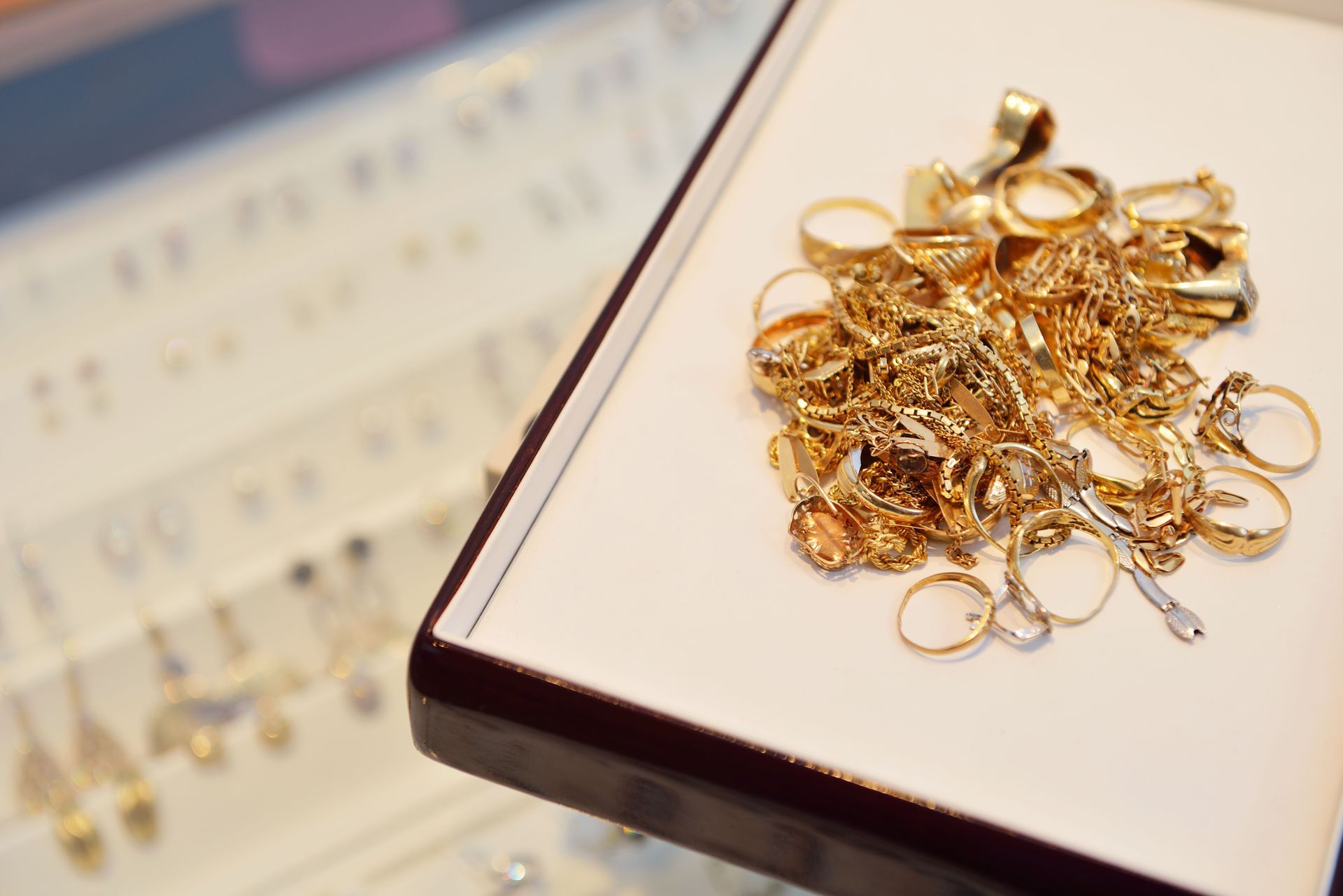
Many individuals possess broken necklaces, outdated rings, unmatched earrings, or dented bracelets tucked away in jewelry boxes without realizing the inherent worth of these forgotten treasures. Over decades of ownership, fine jewelry can suffer wear, clasp failure, or accidental damage that renders it unwearable. Rather than letting broken items collect dust, many individuals decide to sell gold items that no longer serve a decorative purpose. Transforming damaged metal into liquid funds provides an appealing way to declutter personal collections while unlocking practical capital.
However, calculating the monetary return on scrap precious metal is often misunderstood by the public. Everyday consumers frequently confuse retail valuations with raw scrap metal calculations. While retail pieces encompass design labor, brand prestige, and marketing overhead, scrap evaluation focuses solely on the meltable metal content contained within the item. Understanding how professional jewelers determine this underlying worth demystifies the entire evaluation process and gives sellers greater confidence when seeking an accurate appraisal.
Evaluating the Purity of Scrap Metal Pieces
The initial stage in calculating scrap value requires determining the purity level of the metal. Pure gold is naturally soft and pliable, which makes it impractical for crafting everyday wearable rings, bracelets, or chains without adding harder base metals. To improve structural durability, manufacturers create alloys by blending pure gold with silver, copper, nickel, or zinc. Consequently, an item rarely consists of pure elemental gold; rather, it features a specific ratio of fine metal combined with stabilizing alloy elements.
Jewelers determine this purity ratio by inspecting hallmark stamps pressed into inner bands, clasp surfaces, or watch cases. These stamps disclose the fineness of the alloy, indicating the exact proportion of pure gold present. When stamps are worn away, obscured by decades of friction, or entirely absent, evaluators perform specialized scratch tests using acid solutions or employ electronic X-ray fluorescence analyzers. These analytical tools measure elemental compositions without harming the metal, establishing the precise proportion of fine gold before an individual chooses to sell gold scrap.
Measuring the Weight of Precious Metal Alloys
Once the purity level is firmly identified, the next essential step involves determining the exact mass of the items. Jewelers rely on precision scales calibrated under strict trade standards to measure weights with exceptional precision. Unlike ordinary kitchen or bathroom scales that measure standard avoirdupois ounces, the precious metals industry operates using troy ounces and pennyweights or metric grams. A troy ounce contains slightly more mass than a common household ounce, making calibrated measurement equipment essential for fair determinations.
Evaluators place clean items onto digital scales to record the total physical mass. When clients bring collections to sell gold jewelry, evaluators separate pieces according to their specific purity categories before placing them on the scale. Grouping items by their purity ensures that each distinct grade of alloy receives an accurate weight measurement. Multiplying the total weight of each group by its measured purity ratio reveals the actual amount of fine gold contained within the collection.
This calculation represents the actual fine gold mass, which forms the physical foundation for any subsequent valuation. Even minor discrepancies in scale accuracy can alter the outcome, which is why reputable appraisers utilize approved scales that are inspected regularly by local weights and measures officials. Clear, transparent scale displays allow sellers to observe the weighing process firsthand, establishing mutual understanding throughout the consultation.
Removing the Weight of Nonmetallic Decorative Elements
Fine jewelry frequently features decorative accents such as diamonds, colored gemstones, glass beads, synthetic stones, or enamel detailing. Additionally, hollow chains, bangles, and watch bands may contain internal structural components made from steel springs, base metal rods, or lead solder. Because scrap metal valuations calculate only the weight of recoverable gold, all non-gold materials must be accounted for and deducted from the gross weight.
Appraisers carefully examine each piece to estimate the weight of attached stones and nonmetallic elements. When stones possess substantial commercial appeal or quality, the appraiser may offer to purchase the gems separately or carefully remove them so the owner can keep family stones. If stones are fractured, synthetic, or without secondary market interest, their estimated mass is simply subtracted from the total scale reading. This adjustment ensures that the final valuation reflects solely the pure precious metal yield rather than non-precious weight.
For property owners preparing to sell gold bracelets or stone-encrusted rings, understanding these gemstone deductions provides realistic expectations regarding the final payout. Professional evaluators take time to explain how nonmetallic components influence the net weight, ensuring that sellers feel fully informed throughout the appraisal.
Calculating the Impact of Refining and Melting Deductions
Scrap metal cannot be immediately reused or traded in its manufactured state; it must undergo industrial refining to burn off alloys, eliminate chemical impurities, and return the material to pure bullion form. Professional jewelers collaborate with commercial refiners who operate high-temperature induction furnaces and specialized chemical processing facilities. These refining facilities process bulk quantities of scrap jewelry, dental crowns, and casting remnants to produce pure bullion bars.
Refiners assess operational deductions for melting, testing, and purifying raw scrap lots. In addition, a minor fraction of metal inevitably vaporizes or is lost as dross during the melting and thermal treatment process. Therefore, evaluators apply standard industry deductions to account for these refining operational factors. When individuals sell gold to established buyers, the quote takes these processing factors into consideration while providing an immediate payout, sparing the seller from having to arrange independent refinery contracts.
According to the World Gold Council, consumer spending on gold jewelry reached an unprecedented $172 billion in 2025, representing an 18% increase from 2024. This massive surge in jewelry consumption illustrates how deeply society treasures precious metal ornaments. Yet, as consumer acquisition reaches historic highs, significant volumes of older, unworn items naturally enter the secondary recovery pipeline, where refining allowances remain a fundamental element of the conversion process.
Tracking the Movement of Global Market Bullion Trends
The final component in calculating scrap worth depends on real-time market trading figures. Precious metals trade continuously on international commodity exchanges located across major financial centers such as London, New York, Tokyo, and Zurich. Financial institutions, industrial manufacturers, central banks, and private investors continuously trade bullion contracts, creating fluctuating spot quotes throughout every business day.
Jewelers observe these live market movements closely to calculate accurate scrap valuations. When market activity trends upward, the baseline worth of raw scrap expands accordingly, creating advantageous windows for individuals who wish to sell gold items for competitive financial returns. Conversely, market downturns reduce the underlying valuation of unrefined scrap lots. Understanding that scrap worth fluctuates alongside daily market conditions helps sellers time their transactions effectively.
By integrating precise purity testing, calibrated scale measurements, gemstone subtractions, refinery allowances, and current market trading data, professional evaluators arrive at an objective monetary figure. Each step in this systematic process relies on measurable physical facts and live market information rather than subjective guesswork, giving sellers complete visibility into how their discarded jewelry translates into tangible funds.
By evaluating alloy purity, measuring exact metal weight, adjusting for non-gold components, and referencing live market indicators, evaluators provide an objective valuation based on physical precious metal content. Whether you have broken chains, outdated heirloom settings, or mismatched earrings, knowing how jewelers calculate metal value helps you make informed choices whenever you decide to sell gold.
If you are ready to evaluate your unwanted jewelry and scrap items, contact us at ATL Gold Buyers today. We will help you navigate each step of the valuation process with complete clarity and professional care.